Soko Ni Nuinui
Sail 4 Hope Programme Begins Nationwide Voyage Across Fiji
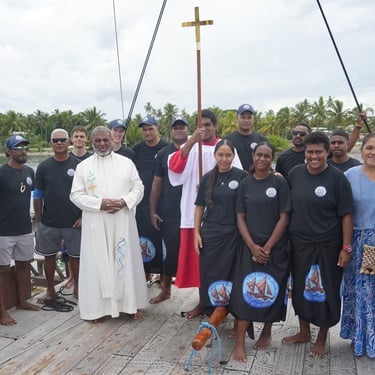
The Anglican Church of Aotearoa, New Zealand and Polynesia, through its Climate Change Commission, has officially launched the Soko ni Nuinui – Sail 4 Hope Programme, a 50-day national journey across Fiji aimed at equipping leaders, strengthening communities, and renewing the Church’s relationship with the ocean.
Running from April 10 to May 15, 2026, the programme will travel to eight key locations across Fiji, including Pacific Harbour, Sigatoka, Nadi, Lautoka, Ba, Labasa, Nabouwalu, Savusavu, Levuka, and Suva, engaging an estimated 1,440 participants through 24 programme days of training, reflection, and community action.
A Vision Rooted in the Moana
The programme is grounded in the vision of Archbishop Sione, who has called the Church to raise leaders for a changing world: “The Moana shapes our identity, mission, and unity. We must equip our leaders to guide communities through sacred waters, becoming trainers who empower others to sail together.” This vision is further strengthened by the Pacific understanding of ocean identity, expressed by Epeli Hauʻofa:“We are the ocean. We must wake up to this ancient truth.” Together, these voices frame the programme as both a spiritual and practical journey—one that reconnects people, faith, and creation.
A Journey Across the Islands
The Sail 4 Hope voyage brings a unique approach—combining physical sailing with community-based engagement.
At each stop, local parishes and communities gather for:
Theological reflection grounded in Scripture
Sharing of indigenous knowledge and lived experiences
Training workshops for parish facilitators
Practical planning for climate resilience and ocean stewardship
The journey spans Viti Levu and Vanua Levu, including outreach to remote and coastal communities, ensuring that the programme is inclusive and grounded in local realities.
Training Leaders for Community Transformation
At the heart of the programme is a “train-the-trainer” model, equipping parish facilitators with:
Skills in leading theological reflection and group discussions
Structured session plans for Eastertide engagement
Tools for community-based action planning
Resources to support long-term environmental stewardship
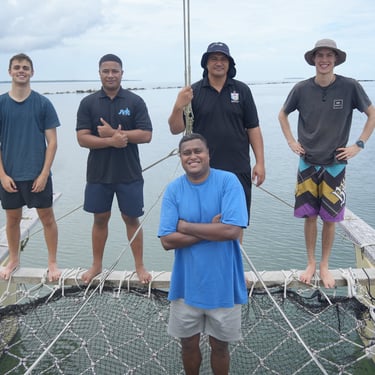
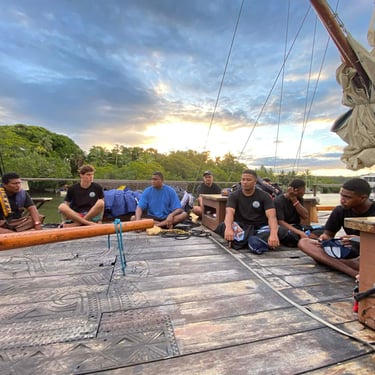
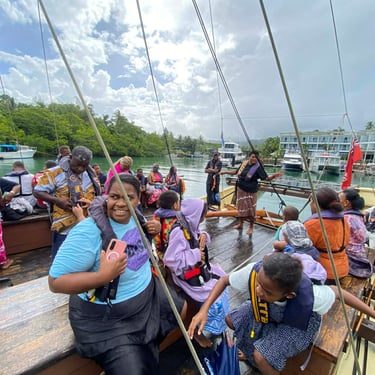
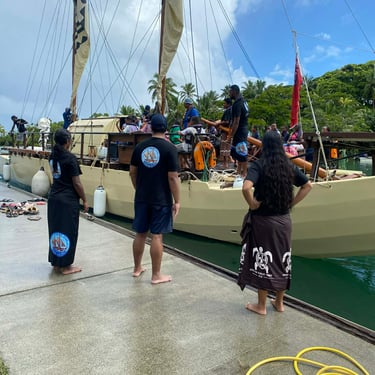
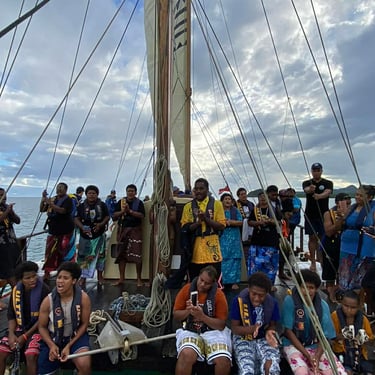
Participants include clergy, theological students, youth leaders, elders, and community members—reflecting a strong intergenerational and communal approach. Students from St. John the Baptist Theological College were among the first to participate in the voyage, gaining firsthand experience of life on the waka.
Learning from the Waka
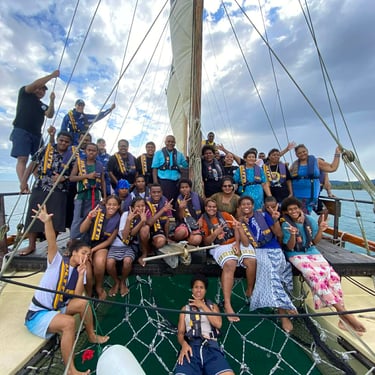
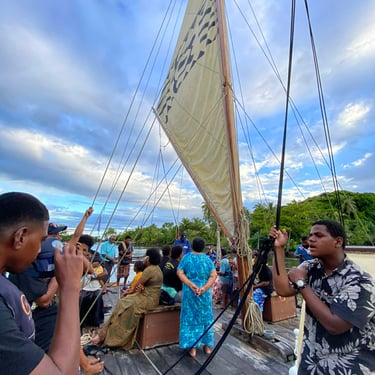
The voyage itself serves as a powerful teaching tool. On the waka, every individual has a role—whether steering, navigating, or maintaining balance. This shared responsibility reflects the reality of community life. The lesson is simple yet profound: when one person stops, the journey is affected.
This principle speaks directly to families, churches, workplaces, and society—highlighting the importance of unity, shared responsibility, and collective action.
Expected Outcomes and Long-Term Impact
The Sail 4 Hope Programme aims to achieve lasting impact through:
Equipped leaders who can guide and train others
Empowered communities actively responding to climate challenges
Stronger parish networks across Fiji and the wider Pacific
Sustainable action plans for ocean care and environmental resilience
The programme will conclude with a Grand Finale in Suva, where over 500 participants are expected to gather for reflection, certification, and commissioning of facilitators. More than a programme, Soko ni Nuinui is a movement. It is a call for communities to rediscover their identity as ocean people, to stand together in the face of environmental challenges, and to move forward in faith and unity.
As the journey continues, the message remains clear:
We are not separated by the ocean—we are connected by it.
We are the ocean. And we are called to discern together and sail together.